Under Roman domination, the importance of Marin, as a result, undoubtedly, of the magnificent shelter it provides, can be seen in the numerous remains found in the vicinity of the port and in Portocelo, such as Roman coins and amphorae.
The first documentary testimonies to appear of the Port of Marín date back to the beginning of the 12th century. The first written reference is of the donation made in 1112 by Queen Urraca and her son Alfonso to the knight Diego Arias, along with the lands they owned in the Morrazo peninsula. The legacy was soon to form part of the Monastery of Oseira, when the squire decided to take up the habit of the Cistercian Order.
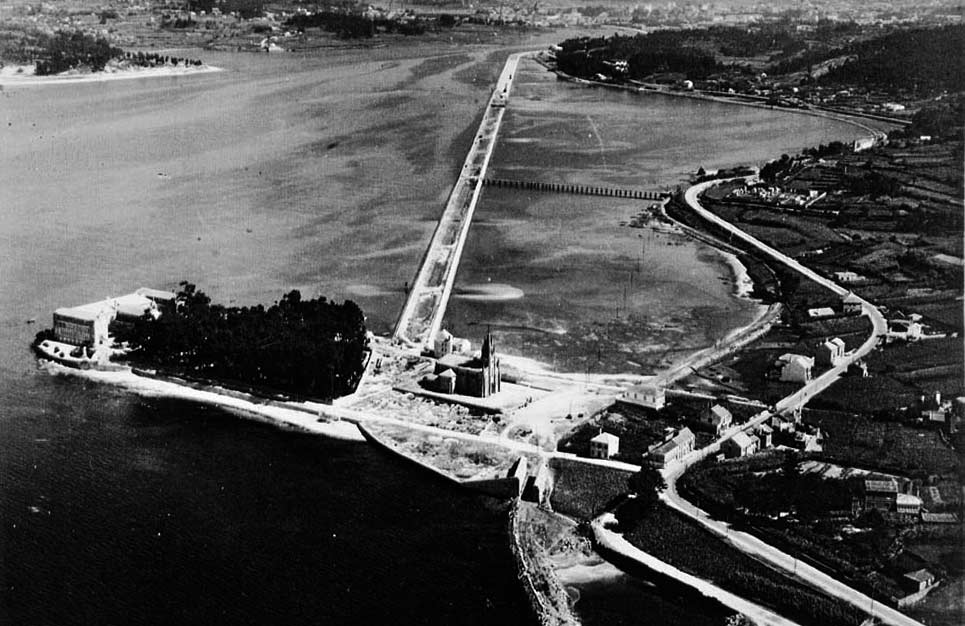
The so-called San Xiao Port was located at the mouth of the River Lameiriña and was protected from the south-westerlies by the Punta Pesqueira headland, on which over time, the Fortress, Shooting Range and the Naval Officers’ School would all be built.
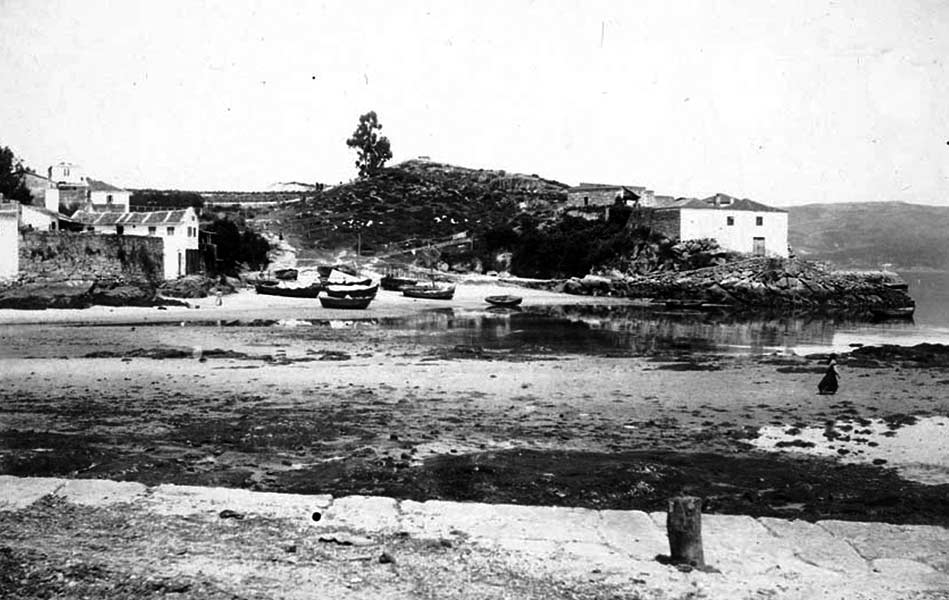
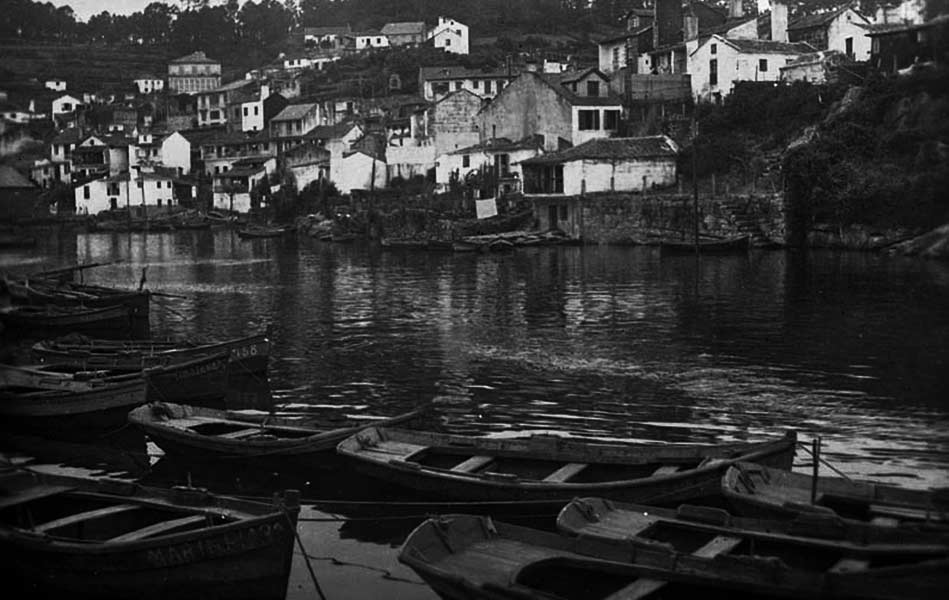
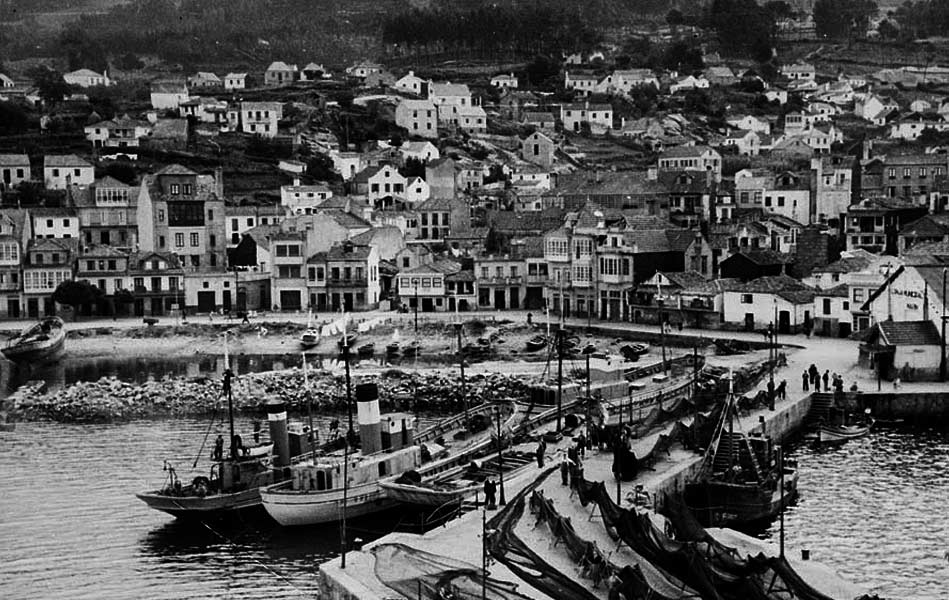
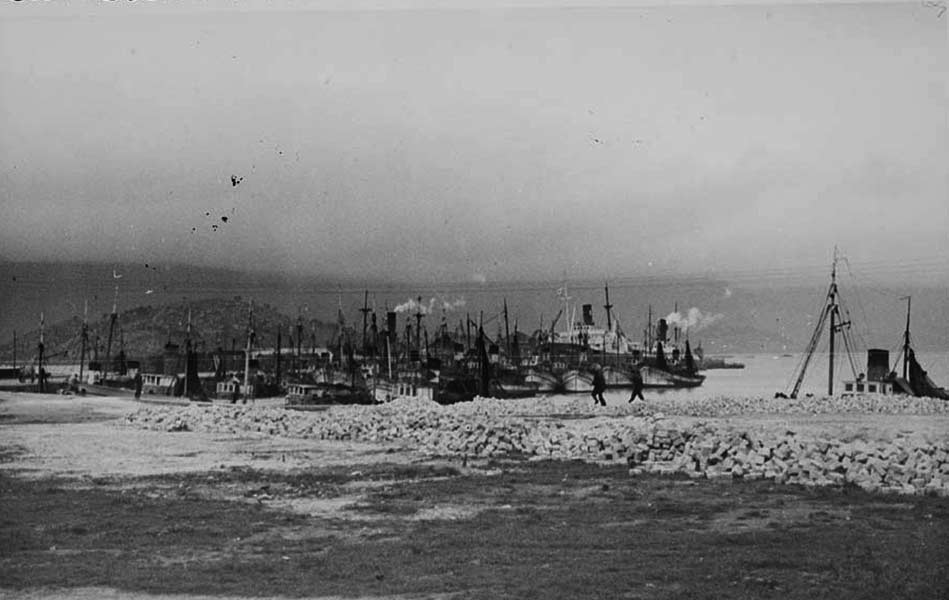
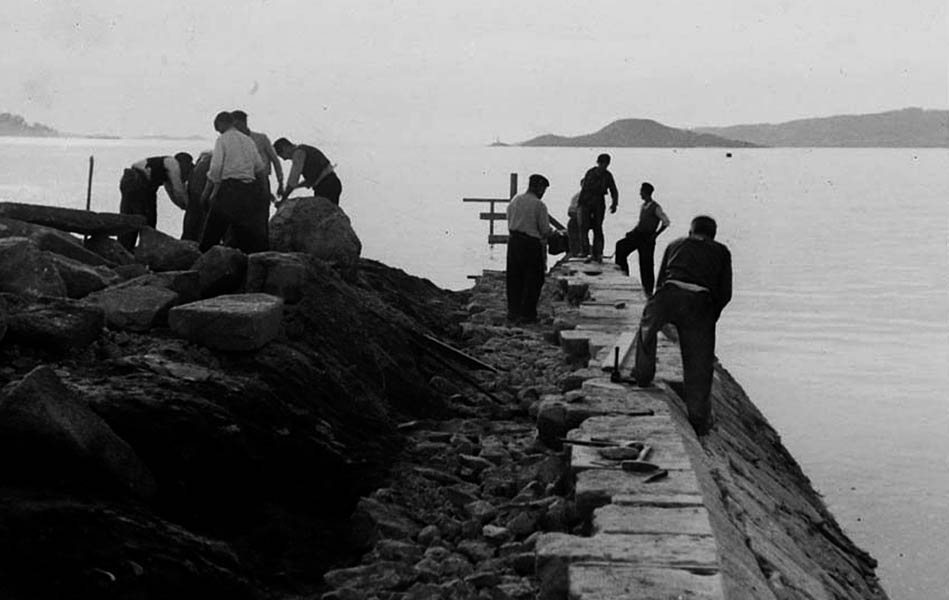
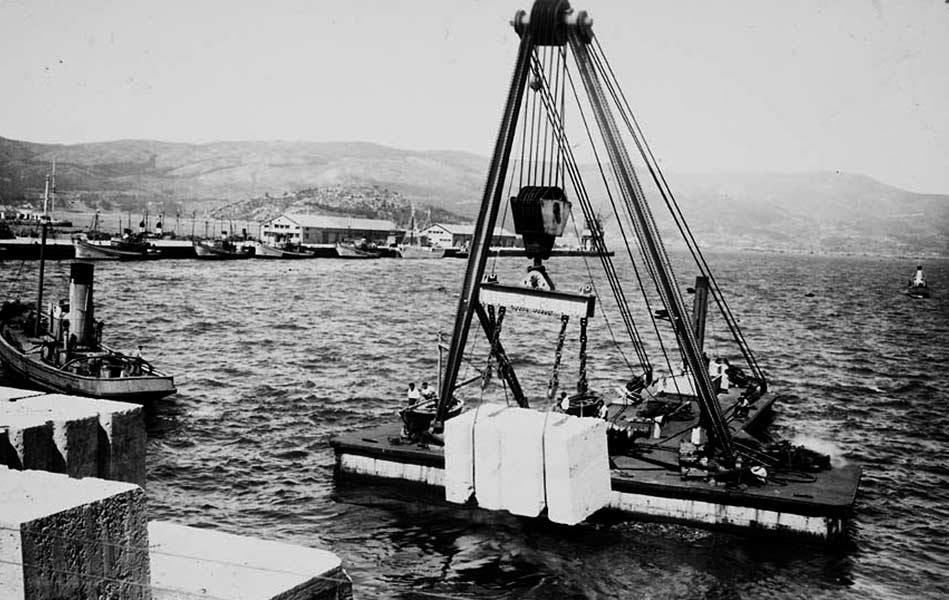
Marín played a prominent role in the heyday of fishing in the Estuary and that led to numerous confrontations and lawsuits between the fishing guild of Marín and their powerful counterparts in Pontevedra. This rivalry reached the ears of both the landowners of the area: the Mitra Compostelana from Santiago and Oseira Abbey, who embarked on lengthy lawsuits in defence of their jurisdictional rights. One fact that highlights Marin’s economic strength was the construction of a fort to protect the port, which was to be of decisive importance for defending the port in the 16th and 17th centuries.
The cornerstone of the Ria de Pontevedra estuary’s rise in early Medieval times was fishing, which was the driving force that led to coastal villages being settled. The increase in fish catches led to the need to preserve these surpluses for sale at market, and such preservation called for the imported supply - initially from Brittany and Portugal - of an indispensable product, namely salt.
Not long afterwards, the initial salt and salting trade was joined by another product in great demand in the north, namely wine, both as intermediaries, re-exporting wine from the South and from Levante, and as direct sellers of Galicia’s second most abundant surplus product.
In return on the other side of the trade balance, fine cloths, in which Galicia was traditionally deficient, started to be imported.
During the fifteenth and sixteenth centuries, unlike the case of fishing, in which all the other ports in the Ria competed more or less successfully with each other, trade was monopolised exclusively at the quay of Pontevedra.
In the late 16th century, an acute crisis broke out among the most dynamic sectors of the Pontevedra economy. The port crisis caused by decreasing draught in the port of Pontevedra and the failure of negotiations to incorporate the Port of Marin into its jurisdiction and exacerbated by the loss of its status as an international port, together with the effects of English and Turkish piracy, brought a drastic reduction in the amount of maritime traffic and related business.
Throughout the 17th and 18th centuries, Pontevedra and Marin differed widely in the way they evolved. While Pontevedra saw its economic strength diminish, especially in fishery and maritime trade, Marin expanded its seafaring population.
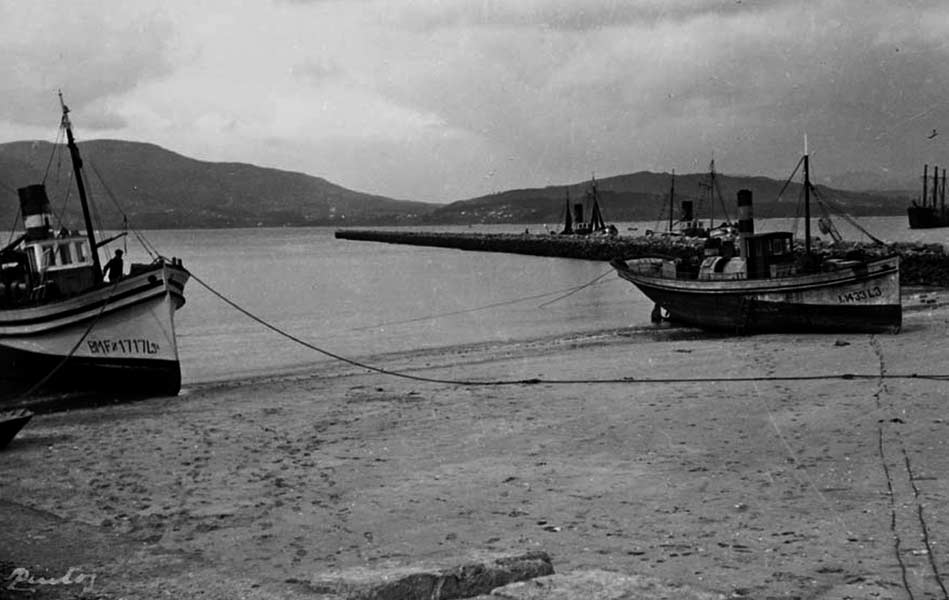
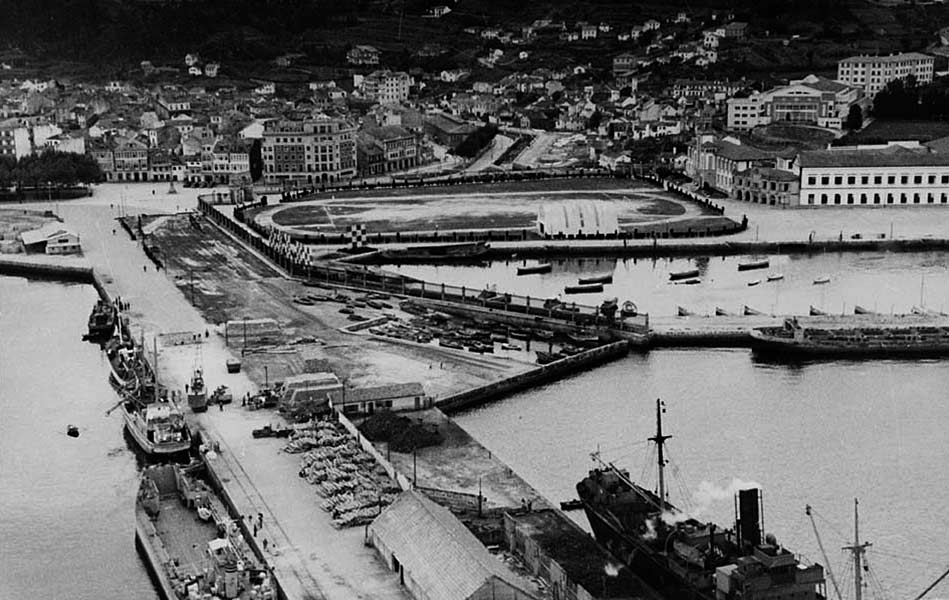
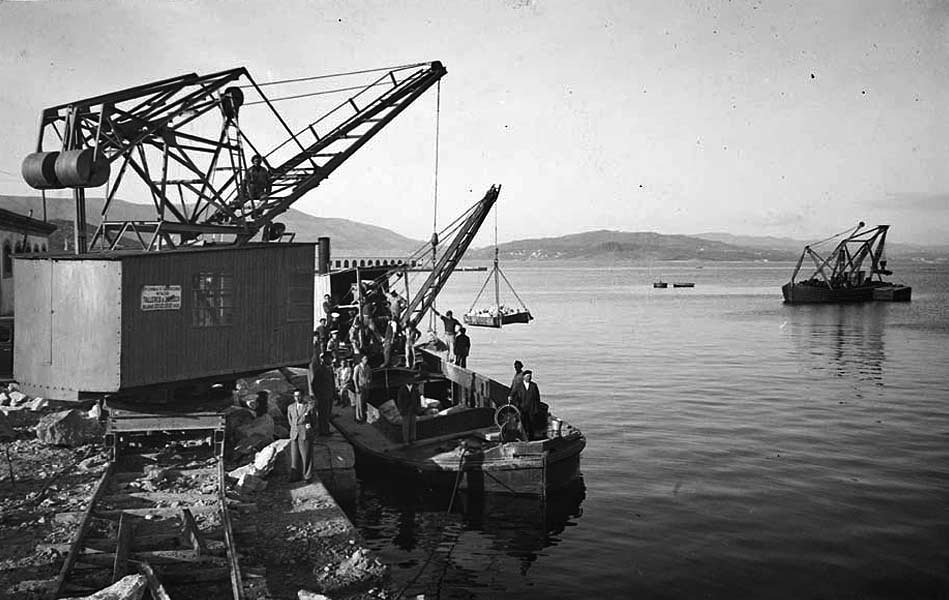
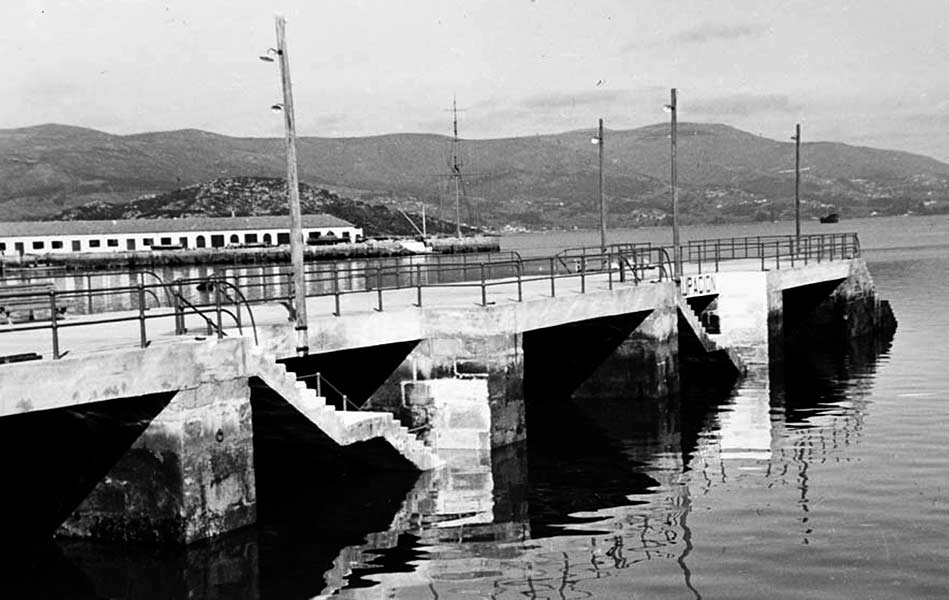
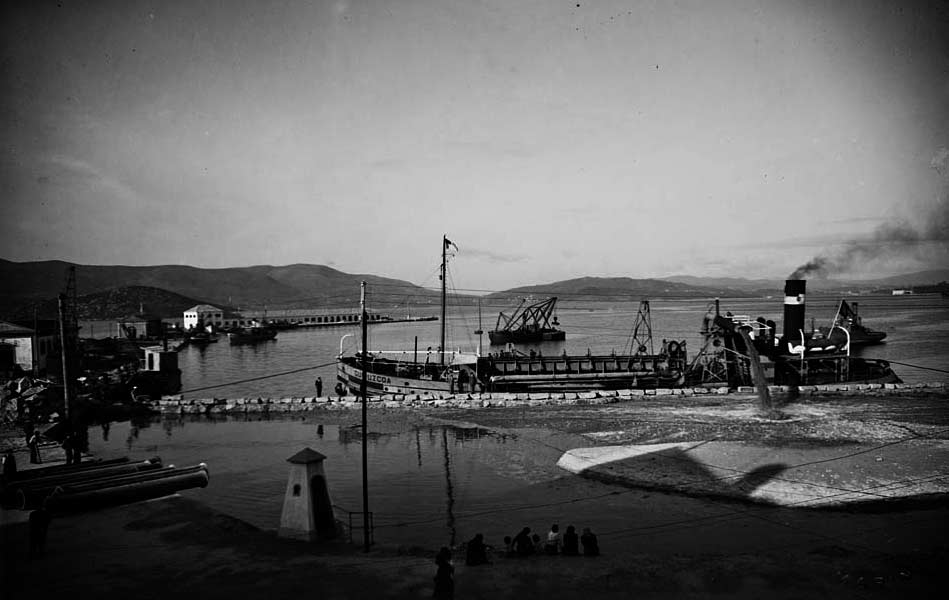
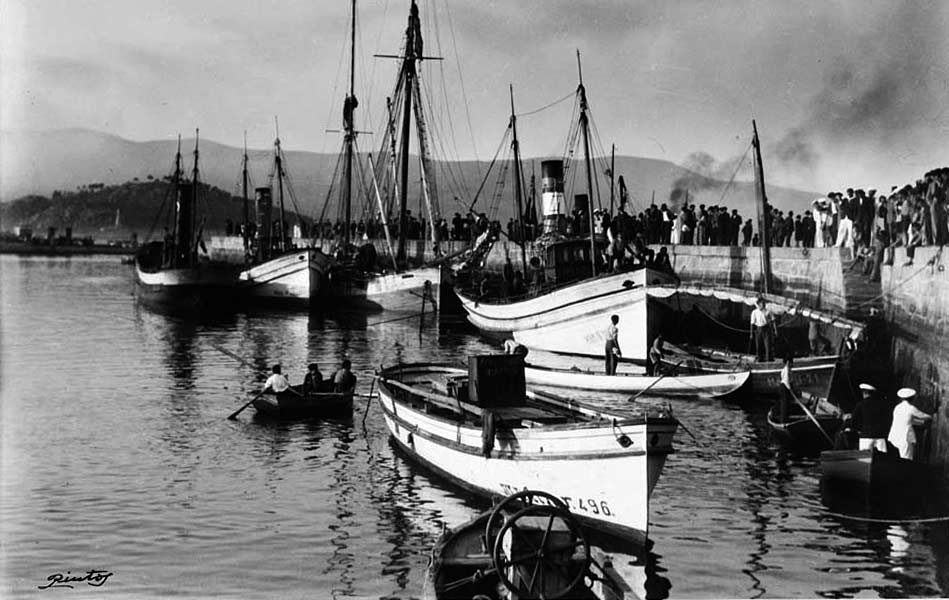
During those two centuries, in Marin, not only did the original port consolidate and grow to monopolise sea trade, but numerous neighbourhoods of fishermen and women sprung up or grew, such as Puerto Zapal, Mouta, Gudín, Canto da Area and Estribela. From the demographic point of view, in those two centuries, the population of Pontevedra was reduced by half, while Marín doubled its number of inhabitants. This fact reflects closely the dynamism of fishing, with the arrival of Catalonians bringing different novelty fishing techniques and salting methods, which in turn led to trading horizons being widened.
During the 19th century, the ports of Marin and Pontevedra become a relatively unified entity. Although larger vessels were anchored in Marin, a flotilla of smaller galleons and barges maintained a shuttle service with As Corbaceiras. Most maritime trading revolved revolves around salt and salting. Salt came from Cadiz and Torrevieja, while salted products were shipped to Barcelona and ports on the Mediterranean coast, and to a lesser extent to Bilbao and northern ports.
On top of this salt-based traffic, both national and foreign vessels (Portuguese, Danish, Swedish and Hanseatic from Hamburg and Lubeck) brought goods that included: Andalusian oil and soaps and colonial cocoa and sugar, shipped from Cádiz, and Catalonian wines, spirits and tissues, or lime, pottery and millstones from Portugal, iron posts from Bristol, Bilbao or Sargadelos, Baltic linen and, more occasionally, rice, wheat or Newfoundland cod. The period also saw growing expansion in customs and excise arrangements.
In the final decades of the 19th century, numerous European shipping companies began to call at the Port of Marin to collect the increasing number of migrants heading towards American lands, and indeed the number of foreign vessels calling at the Port each year reached over five hundred.
Both the growing freight and passenger business and the progressive provision and expansion of port services led to Marin being included as on the list of ports of national interest for the State in 1886. Later, in 1889, the Maritime Health Service was reorganised, and the Navy Command post was set up in 1903.
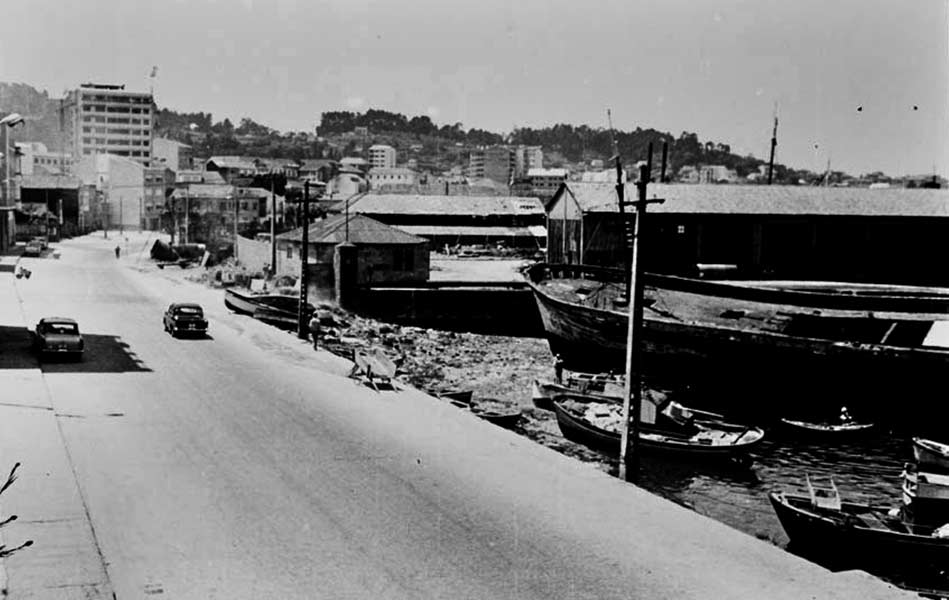
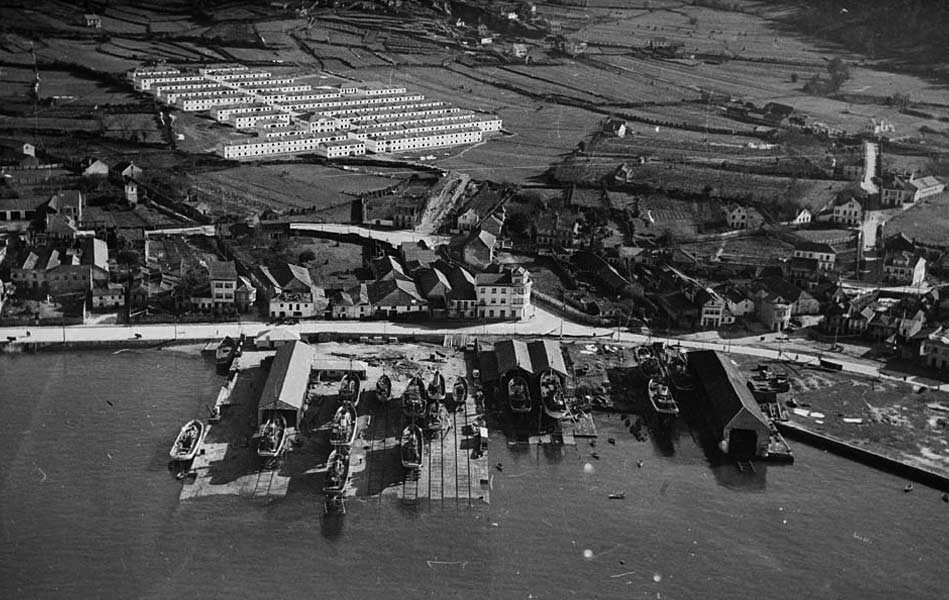
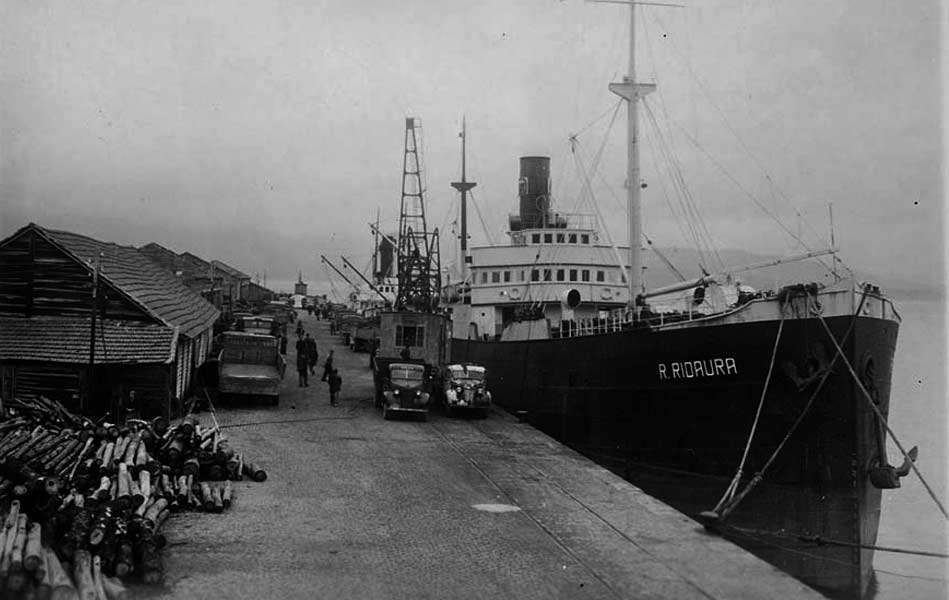
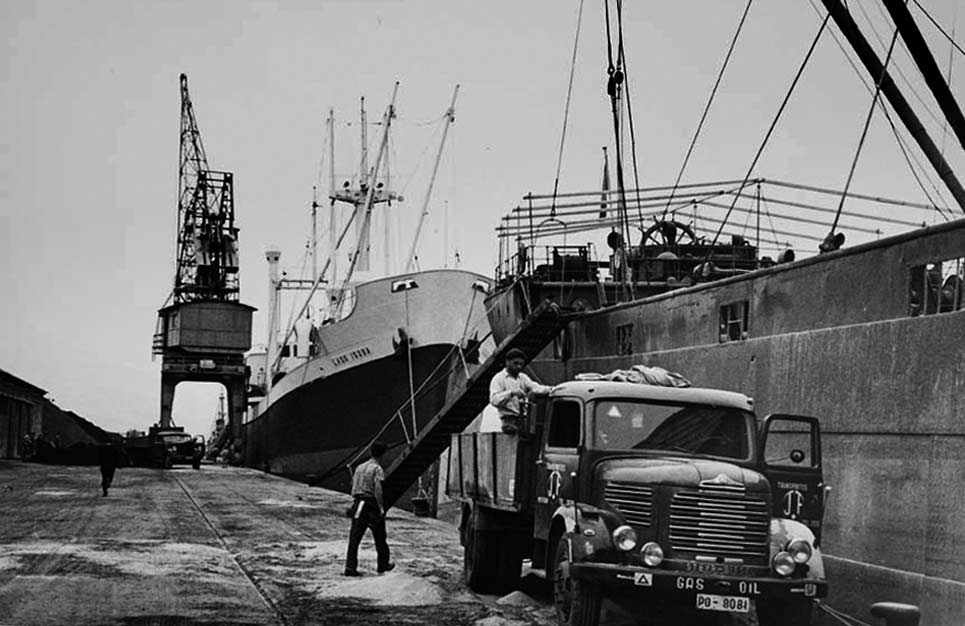
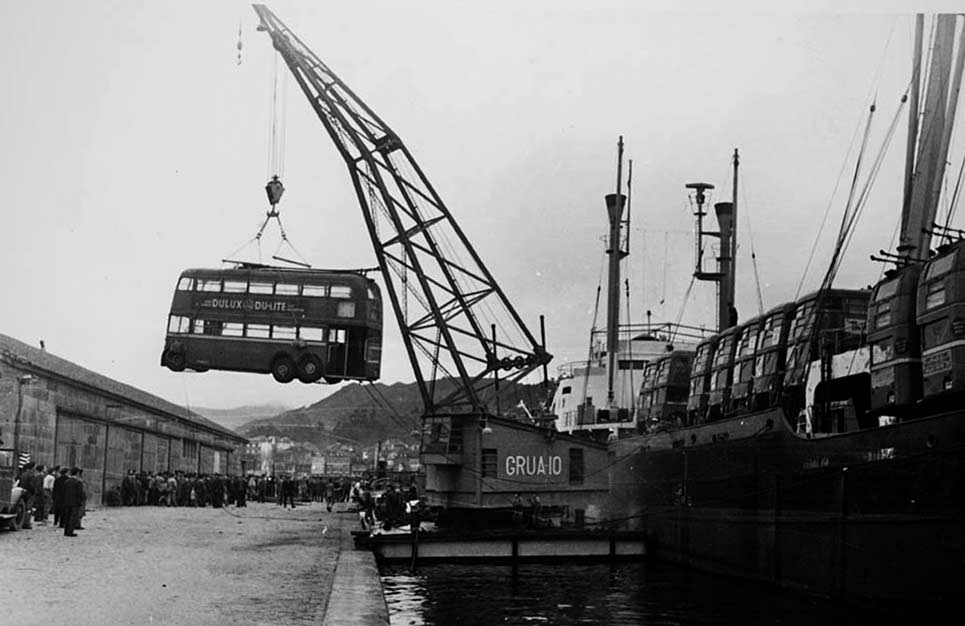
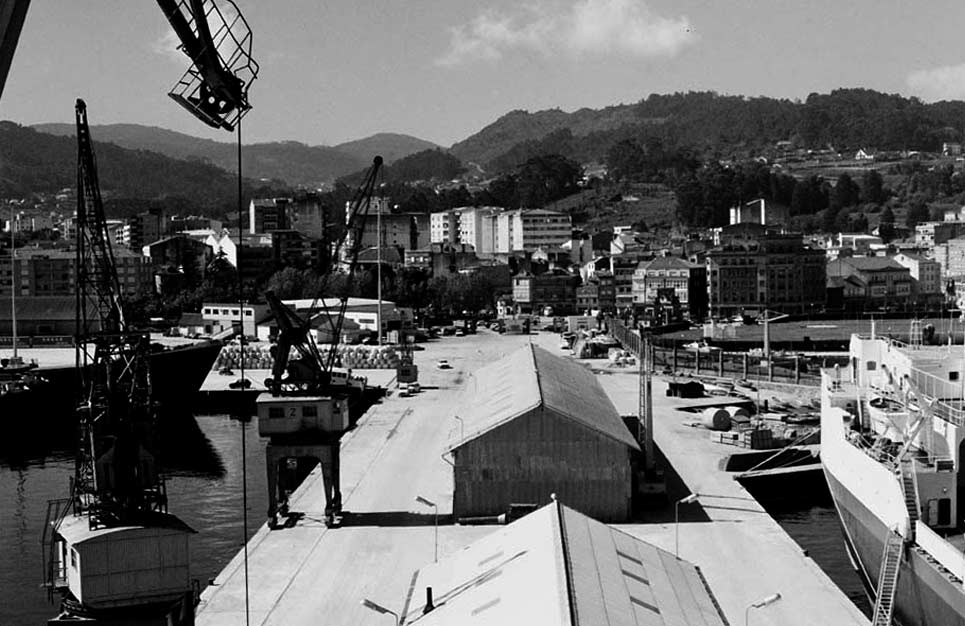
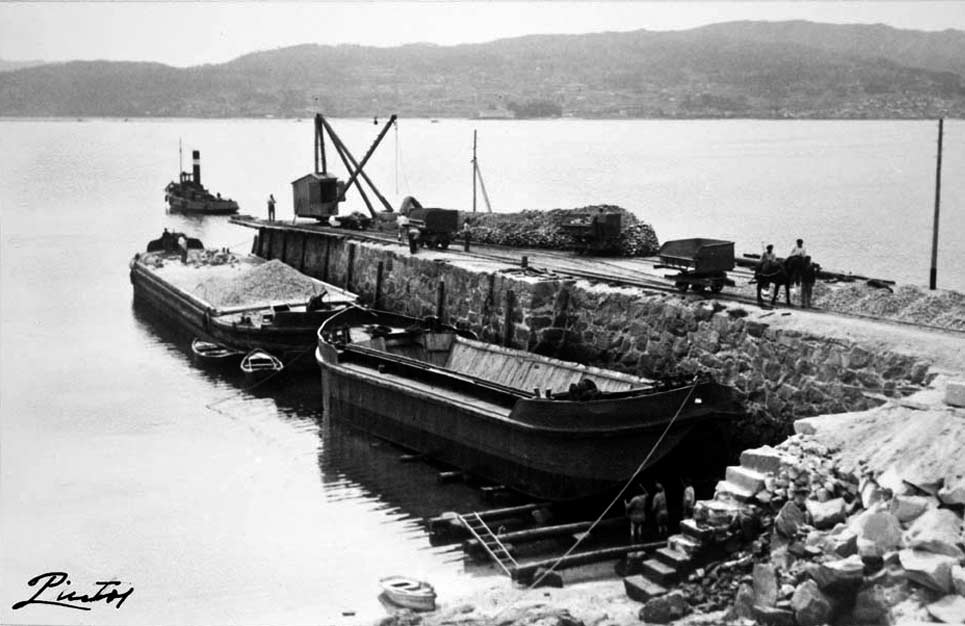
But it was the establishment in 1907 of the Port Board of Works that was to lead to the port definitive take-off. The Port Board of Works is responsible for building works and related services in the estuary and port of Pontevedra, Marin, Bueu and Sangenjo. Its governing bodies were: The Board of Directors, comprising a President, a Vice-President and several members; the Technical Management, composed of the Chief Engineer, an Assistant Engineer, the supervisor, a draftsman, a security guard and a clerk; and the Administration department, made up of the chief accountant, senior clerk, accounts clerk and an errands boy.
The building works programmed and implemented by the Board had two basic targets: construction of a commercial wharf in the area between Punta Gamela and the mouth of the Lameiriña river, and of a fishing pier in Estribela.
The commercial port project, drafted in 1898, consisted of a shelter dock that would run from Punta Gamela, to the western end of the Marin bay to form a wet dock by extending a small existing quay in the same direction as the old one to the other side of the mouth of the River Lameiriña opposite the town of Marín.
As far as the fishing port was concerned, a small jetty had existed since ancient times in Estribela, around which the fish market was held, so that jetty was extended with a fishing pier project.
In terms of improving infrastructure, the project envisaged a slip road leading into the commercial port from the Cangas road and access to the Estribela Fish Market from that road too. One project that was the subject of lengthy debate for years was the rail link between the Port of Marín and Pontevedra, conceived to form part of the Lalin-Marin section of the so-called Galician Central Railroad, planned to run from Vivero to Marin.
In the Board’s last years, land immediately adjacent to the West Dock had been granted to the Navy, where a Naval Shooting Range had been established by Royal Decree on 4-12-1920.
In December 1922, the Port of Pontevedra Board of Works was turned into the Administrative Commission, which was to be responsible for the Port’s governance up until 8 June 1968.
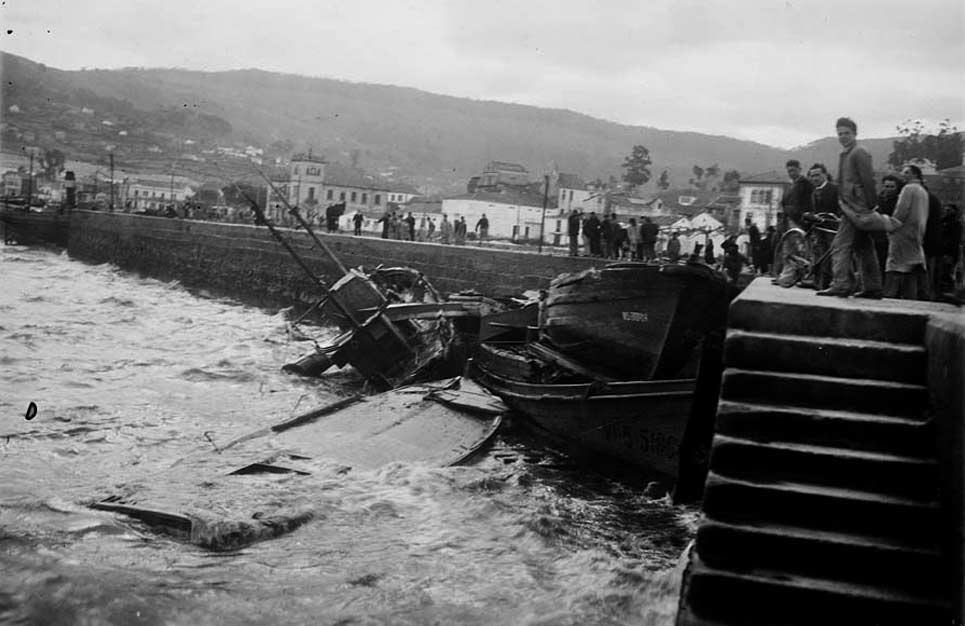
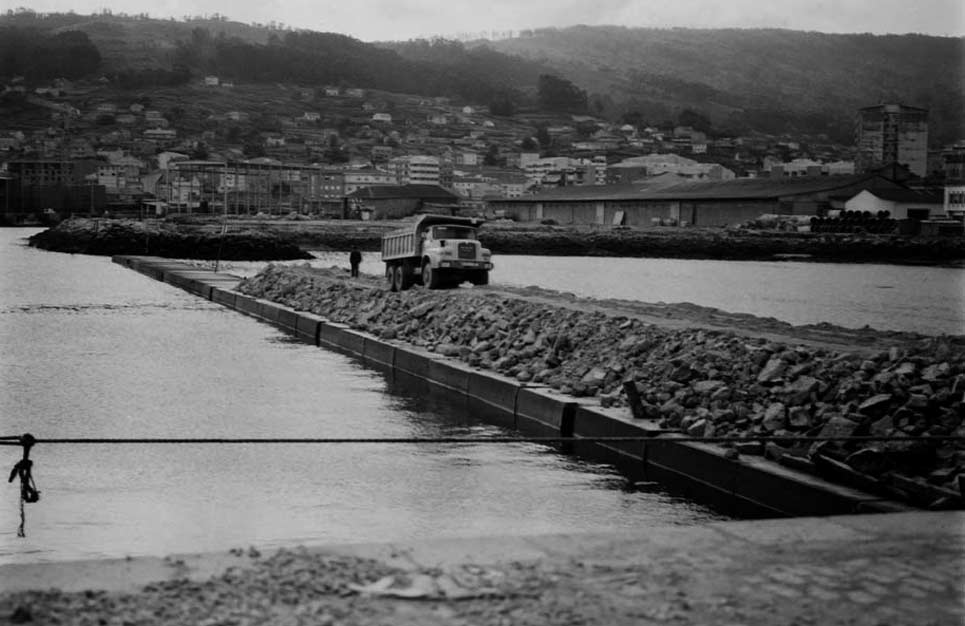
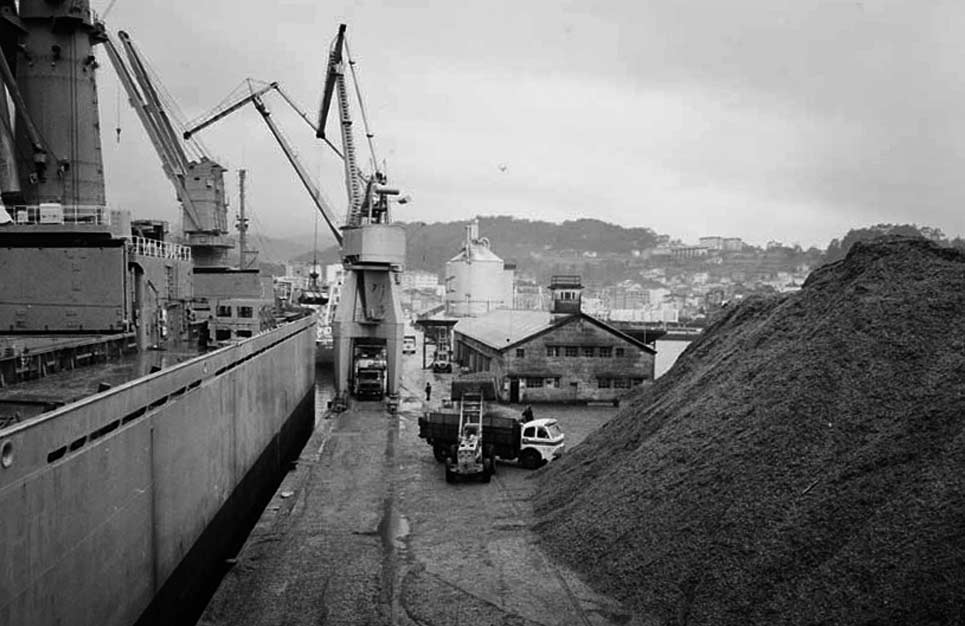
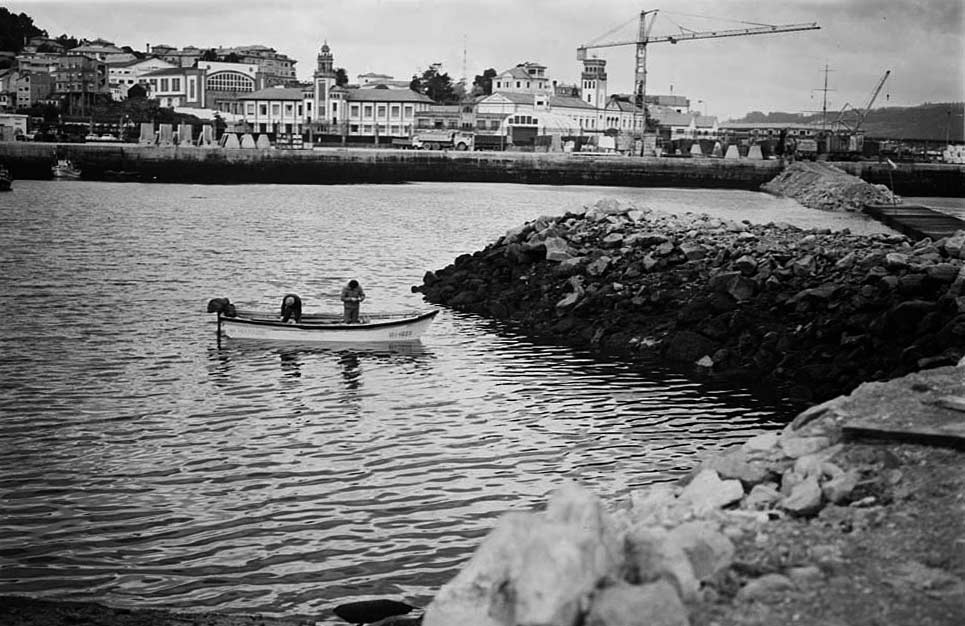
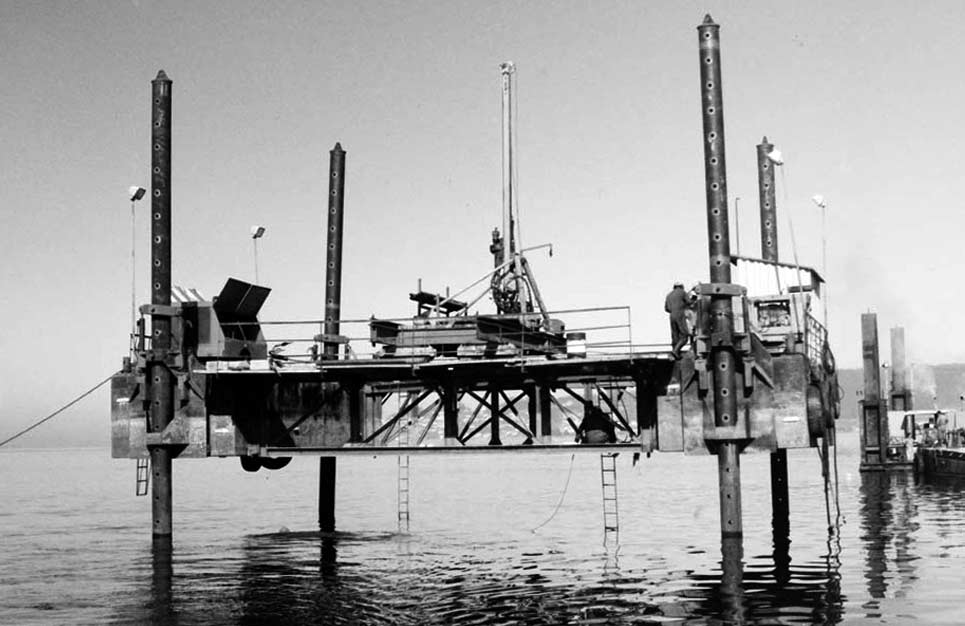
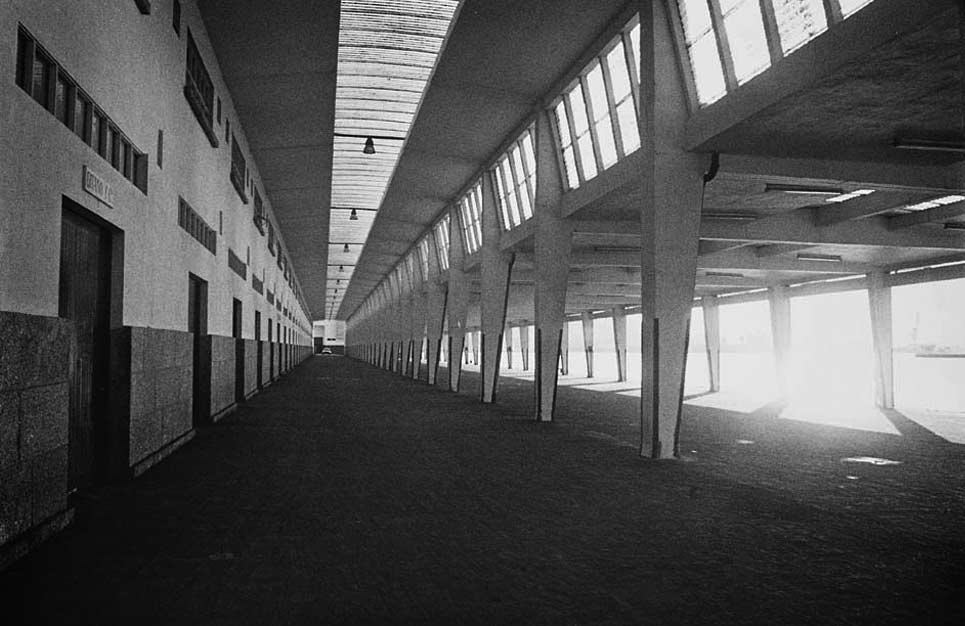
Initially, membership of the Commission was chaired by the Civil Governors, while the Technical Management was held by the Chief Engineer, and other members included the Naval Commander, the Mayors of Pontevedra, Marin and Bueu, the Customs Administrator, and a representative of the Fishing Union.
The establishment of the Shooting Range in the Port of Marín, its increasing activity and importance, and its progressive occupation of the land to the south of the West dock led to the Commercial Port being planned on the Eastern side of what was later to be the Military Port.
By Decree of the President of the Government dated 24 September 1943, the Western Dock of the Port of Marin, as well as the harbour that forms the Western dock and the new Commercial wharf, were transferred from the Public Works Department to the Ministry of the Navy.
In 1952, the draft of the General Works Plan for the Port of Marin was approved, which included implementing actions in the military, commercial and fishing ports.
The Commercial Port was projected as an extension of the existing Eastern dock of about 400 metres in a north-easterly direction.
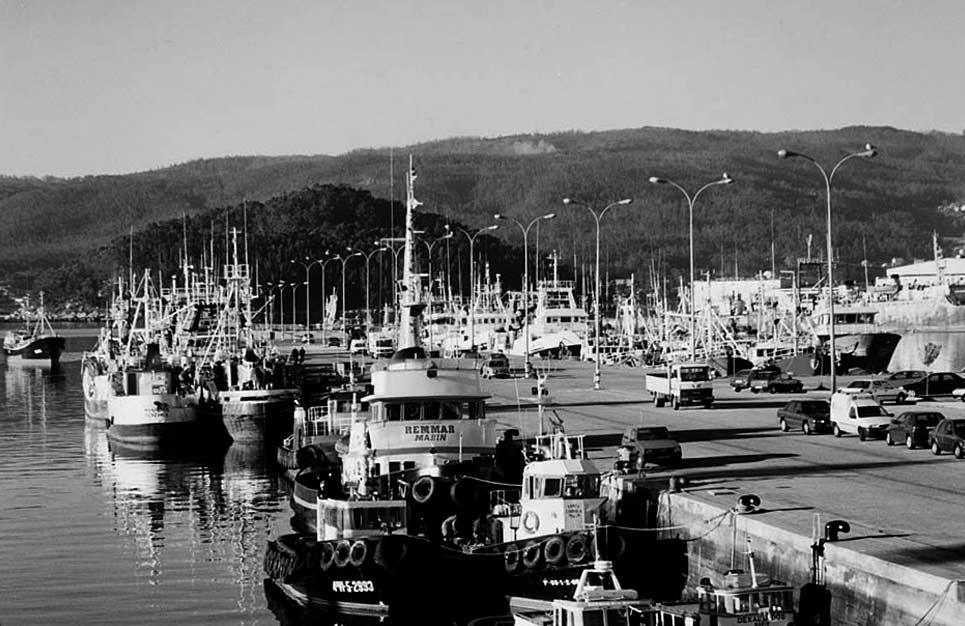
The Port of Estribela led to the drafting of the “Fishing Port Project”, the first stage of which commenced in 1955 and was completed in 1963 and includes the south and east fishing docks; the second phase commenced in 1964 and was completed in 1967 with the north dock.
One of the most significant highway infrastructure works was the so-called “Link Road between the Port of Pontevedra and the Port of Marín” (the Orillamar dual carriageway), completed in 1967. Furthermore, throughout that period, the idea of a rail link between Pontevedra and Marin was continually planned. In 1927, the project was approved by the Commission and by the General Directorate of Public Works in July the following year. After several tender awards and contract rescissions with part of the work done, in 1940 a decisive change of criteria took place at the General Directorate of Ports and the project switched hands to depend on the General Directorate of Railways and Transportation.
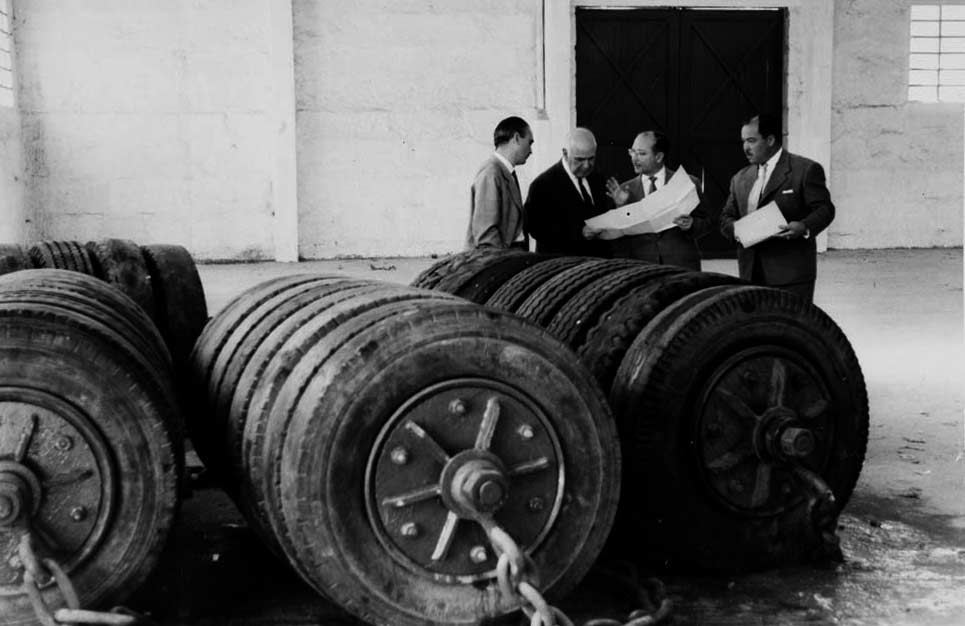
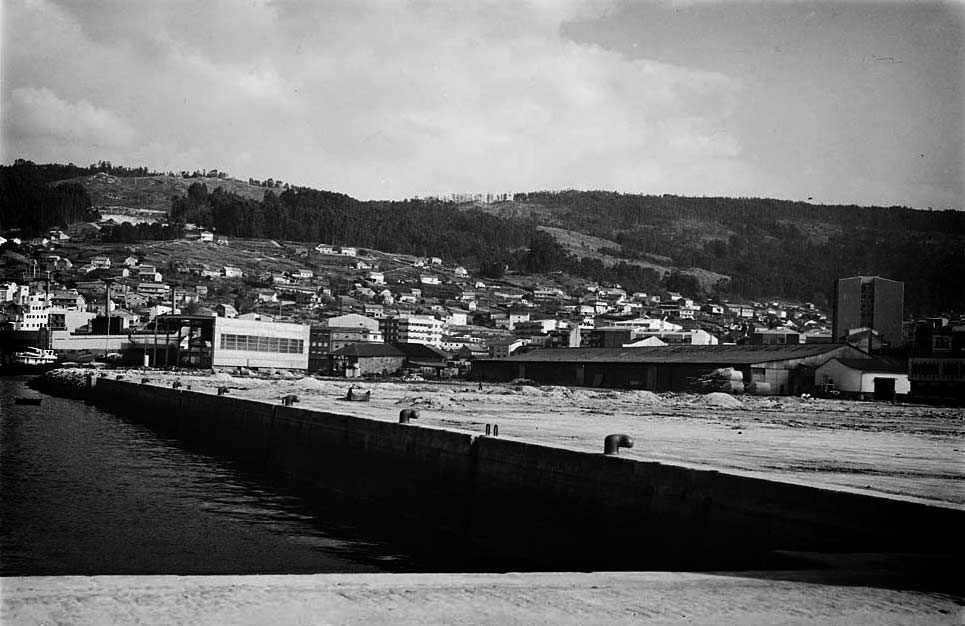
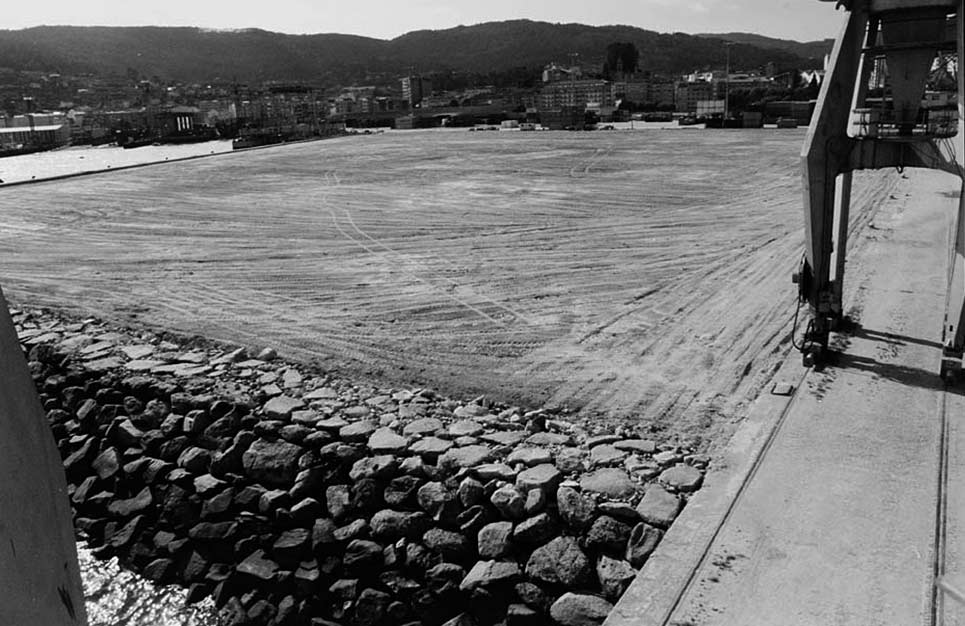
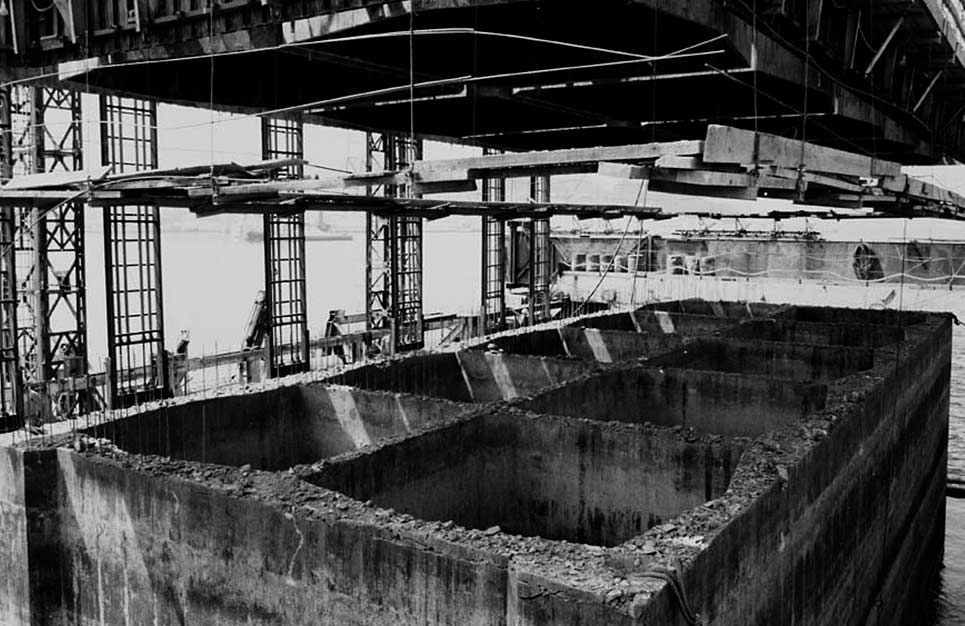
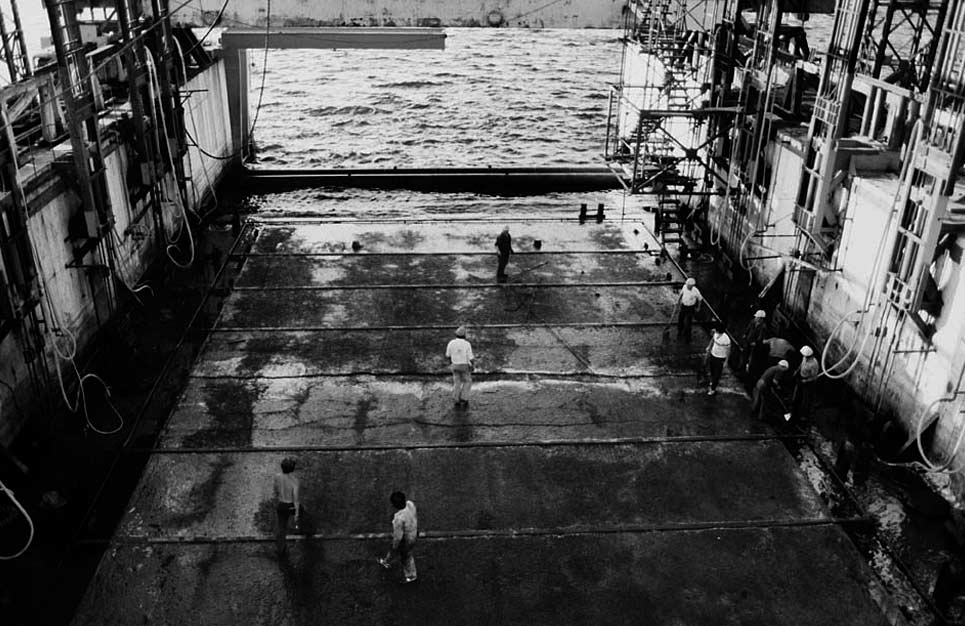
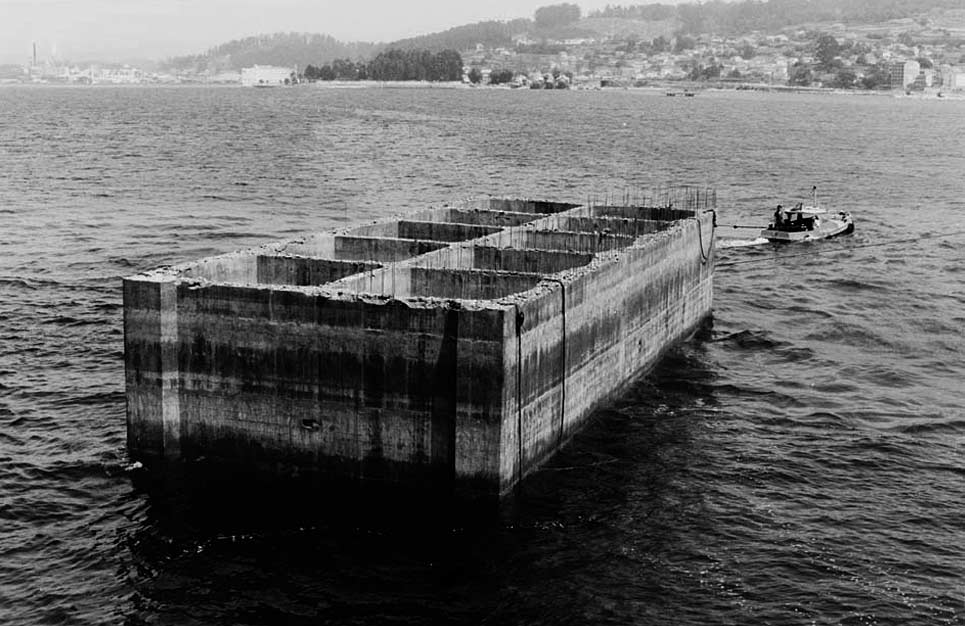
In May 1968, the Commission was renamed as the Board of the Port and Estuary of Pontevedra. A period began in which the scope of its power was reduced in 1985 to just the Port of Marin, when the rest of the port’s facilities in the estuary were transferred to the regional government and only Marin remained as a state port of General Interest.
The Board is made up of: a President, the Navy Commander, the President of the Provincial Council (Diputación), the Mayor of Marín, a State Attorney, the Customs Administrator, Union Representatives of the Merchant Navy, Transportation, Fishing, Paper and Graphic Arts, Association of Port Workers, a group of employees, representative of the Chamber of Commerce, Industry and Seafaring, the Director of Engineering, and the Secretary to the Board. Later, a representative of the Nuestra Señora del Puerto de Marín fishing guild and several representatives of Port users and shipowners were made members.
Highlights of that period include projects to modernise and adapt services for the fishing sector, fundamentally the Fishing Port of Marin Sales and Packaging Pavilion (fresh fish market) in 1971, and the Port of Marin Repair Dock and Esplanade in 1989. More recent developments include New Fish Exporters Departments, adaptation of fishing infrastructures to European Community regulations, and the First Set of Outbuildings for Workshops.
In the commercial sector, highlights included the Port of Marin Commercial Wharf project (today, known as Manuel Leirós Pier No. 2), which with its 245 metres’ berthing space and 12 metres’ draft provided the infrastructure that truly catapulted the Port of Marín to what it is today by enabling the entry of large bulk carriers. It also made it possible for larger vessels to use the West Pier in the new commercial port, with its 160 metres of berthing space and 9 metres’ draft.